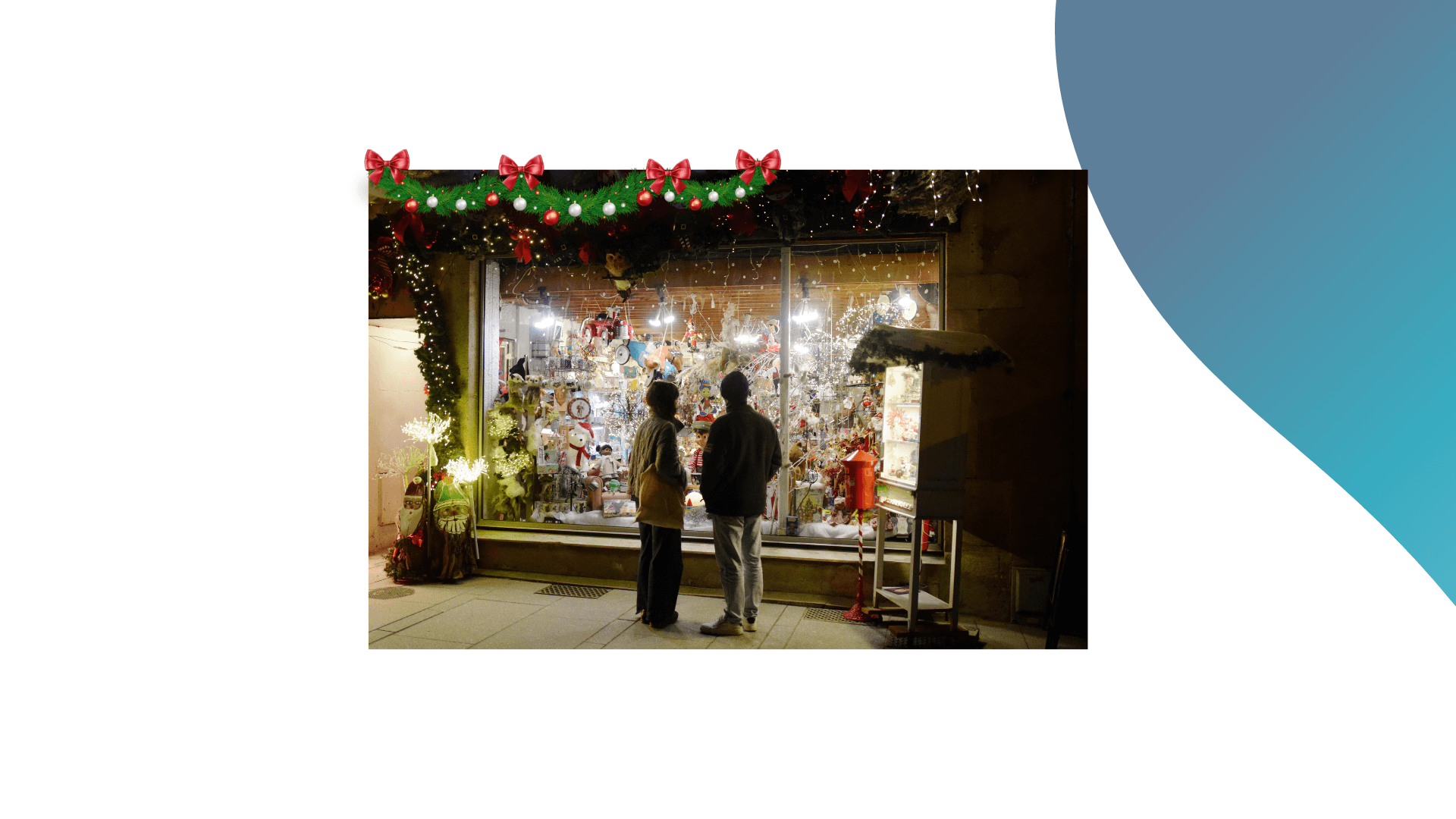
For restaurants, pubs and hotels in Ireland, Christmas is not merely a busy spell. It is the defining commercial window of the year. Irish reporting indicates that roughly one-third of some restaurants’ annual income can be generated in the six weeks preceding Christmas, demonstrating the financial weight placed upon festive trade. Behind every Christmas carvery, office party and packed dining room sits a procurement machine working at its highest intensity. This article focuses on how Irish foodservice operators, with reference to practices also seen in the UK, prepare their procurement strategies specifically for the end-of-year peak.
The scale of the festive spike
Ireland’s hospitality and foodservice sector reached approximately €10.4 billion in 2025 across the Republic and Northern Ireland, according to Bord Bia’s Foodservice Market Insights report. Within this total, December occupies a uniquely powerful position. Festive bookings, Christmas menus, increased pub footfall and hotel packages create an abrupt surge in demand. CGA’s analysis of Ireland’s on-trade confirms that December consistently shows a notable uplift in beverage sales by value, with pubs gaining share compared with other channels during this period.
In the UK, similar dynamics are observed. UKHospitality repeatedly emphasises that Christmas revenue is indispensable in offsetting rising operating costs, and that the season often determines a venue’s financial outcome for the entire year. With this concentrated demand comes immense pressure on procurement teams, who must secure significant volumes of food and drink while managing volatility in supply chains already stretched by winter pressures.
Locking in the Christmas centrepiece: turkey and ham
In both Ireland and the UK, turkey and ham remain firmly at the heart of traditional festive dining. For procurement teams, these products are not casual purchases; they are core strategic decisions with long lead times. Buyers typically confirm their required volumes months in advance, entering into seasonal contracts with poultry and pork processors. Irish operators often prioritise Bord Bia quality-assured producers to ensure consistent standards, while simultaneously reserving specific formats such as crowns, boned-and-rolled joints or portioned cuts tailored to banqueting operations.
This long-lead contracting exists because the poultry cycle cannot be compressed. Turkeys require many months to rear, so suppliers rely on forecasts submitted in late summer or early autumn. Those who delay until November risk paying higher prices and facing limited availability, particularly for larger birds. In recent years, procurement teams have also had to contend with additional pressures, especially avian influenza. The UK has reported more than 30 outbreaks in autumn 2025 alone, leading to warnings about smaller birds, higher prices and the possibility of unfulfilled orders. Some suppliers have stated openly that they cannot guarantee either volume or price for Christmas, and major retailers have already reduced their festive turkey ranges as a precaution.
Irish buyers cannot assume immunity from these pressures. Many therefore diversify risk by splitting ordering between several suppliers and maintaining contingency menus that can be deployed rapidly if turkey availability tightens. Others negotiate more flexible specifications, accepting broader size ranges to avoid the rigidity that can make fulfilment impossible.
Menus, margins and minimum covers
Festive menus in Ireland and the UK serve a dual purpose. They delight guests, but they also function as crucial procurement instruments. Pre-booked, fixed-price menus enable operators to forecast covers with far greater accuracy. With clearer predictability, procurement teams can calculate precise volumes of meat, vegetables and desserts, avoiding both shortages and excessive over-ordering. Standardised portions designed for Christmas dining also simplify purchasing and stock management.
Margin control becomes especially delicate in December. As ingredient costs fluctuate and labour intensifies, venues must construct set menus that maintain perceived value while safeguarding profitability. Irish operators often redesign dishes to incorporate cuts or formats that offer better cost control, for example presenting turkey breast as a roulade rather than using whole birds that may become expensive. Others negotiate comprehensive plate-cost arrangements with suppliers, securing bundled terms for meat, vegetables and dessert components. Capacity management is equally critical. Many venues now impose strict limits on the number of festive bookings per day, establish cut-off dates for large parties and require pre-orders for menu choices. These controls protect procurement: over-booking without secured supply leads to emergency, high-cost purchasing, whereas under-booking risks contracted volumes going unused.
Working with wholesalers and specialists
Most Irish operators rely on a combination of broadline wholesalers and specialist suppliers during the festive period. Broadline distributors stock extensive seasonal ranges that include frozen turkey, ham joints, desserts and party foods. Their ability to consolidate deliveries into fewer, larger drops is vital for urban restaurants and hotels where storage is limited. Bord Bia’s foodservice data notes that operator purchasing accounts for billions of euro in value, illustrating the sheer volume flowing through wholesalers into Irish kitchens throughout December.
Alongside these high-volume channels sits a network of local specialists who supply items that define the character of a festive menu. Many venues procure premium turkeys or dry-cured hams from local butchers, ensuring quality and provenance. Artisan bakeries supply mince pies, puddings and festive breads, while patisserie producers deliver desserts that would be impractical to create in-house at scale. Procurement teams therefore segment their source strategies. Commodities such as oil, basic vegetables or frozen sides are secured through wholesalers based on price and reliability, whereas strategic, guest-defining items are procured through relationship-based contracts that emphasise craftsmanship and consistency.
Beverage procurement: “wet” sales and Christmas parties
Beverage procurement plays an equally important role, as December brings a marked increase in alcohol and soft-drink consumption. CGA’s data shows a strong uplift in Ireland’s December on-trade beverage sales, particularly in pubs. To manage this, operators examine historical trading patterns, factoring in office party season, pay-day peaks and sporting fixtures to build weekly forecasts for draught beer, cider, spirits and no- and low-alcohol lines.
Procurement teams frequently negotiate minimum guaranteed deliveries with suppliers to ensure uninterrupted stock of the most in-demand beverages. Additional keg allocations are often pre-booked for key dates, with promotional materials and pour-rate incentives incorporated into supplier agreements. In the UK, the shift towards more food-led pub models and the growth of low-alcohol options also influences festive procurement planning, requiring a broader and more diverse drinks range during the holiday period.
Labour, logistics and the hidden procurement of services
Festive procurement extends well beyond ingredients. Temporary labour becomes essential as bookings surge, and Irish and UK venues commonly turn to staffing agencies to source chefs, kitchen porters and waiting staff for the busiest weeks. Procurement teams negotiate agency rates, cancellation terms and service level agreements, ensuring that temporary staff arrive with the appropriate experience and reliability.
Logistics also require meticulous planning. Delivery routes and schedules tighten as volume increases, so operators often consolidate orders and arrange fixed early-morning delivery slots to avoid disrupting service. Groups with multiple venues may route deliveries through a central kitchen or distribution point to streamline operations. Failures in logistics can severely damage margins: a missed delivery often forces managers to buy from retail stores at non-trade prices, while excessive deliveries create storage problems and complicate stock rotation.
Waste, leftovers and “the morning after”
Even without framing it as sustainability strategy, managing waste during Christmas is a core commercial concern. Operators track the behaviour of large groups, monitoring no-show rates and adjusting their purchasing in response. Kitchen teams also report on plate waste, which allows procurement to refine portion sizing and weekly ordering patterns. When turkey is consistently over-ordered or a particular dessert under-selected, procurement adapts rapidly to avoid unnecessary expense. Although this work may resemble sustainability practice, the primary driver in December is straightforward cost protection.
Practical lessons for procurement professionals
A few overarching lessons emerge from the way Irish and UK hospitality businesses procure the festive season.
- Treat Christmas as a distinct procurement category with its own risks, constraints and timelines.
- Secure essential items such as turkey and key beverages early, with contingency options built in.
- Use set menus and pre-orders as tools to stabilise forecasting and protect margins.
- Segment your supplier base, combining wholesalers for staples with local specialists for high-impact items.
- Integrate temporary labour and logistics planning directly into the procurement process rather than treating them as separate operational issues.
For Ireland in particular, where the foodservice market exceeds €10 billion and Christmas revenue is pivotal to annual performance, the quality of procurement determines the smooth execution of the season. It is a quiet discipline, but it is the reason festive menus are delivered on time, at the right quality, and at a margin that keeps businesses viable into the new year.
Sources:
Irish Foodservice Market Insights Report https://www.bordbia.ie/globalassets/bordbia.ie/about/governance/foi-disclosure-log/2024-irish-foodservice-market-insights-report.pdf
Seasonal sips: Understanding Christmas beverage sales and consumer behaviour in Ireland’s On Premise
Uncertainty looms for restaurant and retail sector despite good Christmas haul
